Guides
Bike park insurance: what it covers, what it does not and what to ask for in writing
In short: a bike park Bike Pass is not insurance. At Pal Arinsal, for example, the Bike Pass does not include insurance: it is bought separately, when buying the pass or at the ticket office, and on season passes it cannot be added once the pass has been used. In addition, many bike and travel insurance policies exclude downhill or risk sports, and a cycling federation licence covers training and races, but it is not clear that it covers a free day at a bike park. Before travelling, ask your insurer or federation in writing whether they cover downhill riding at a bike park, medical assistance in the destination country and rescue.
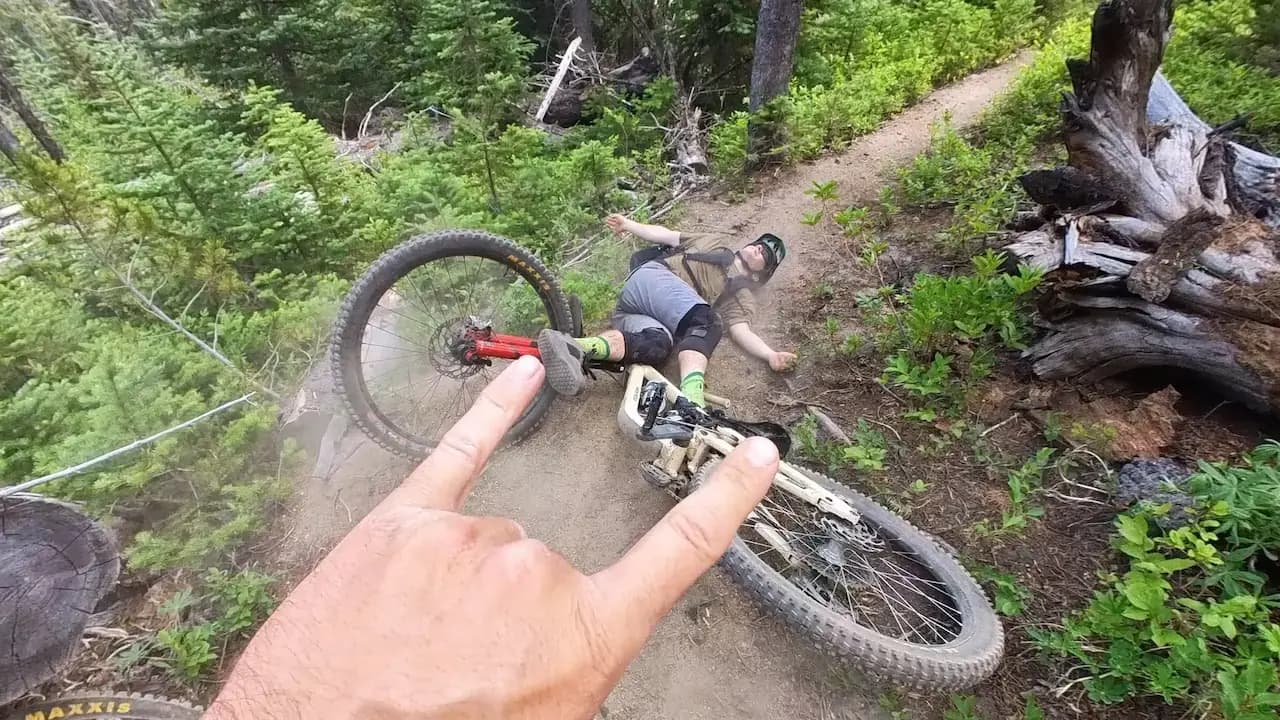
Falling is part of downhill. What should not be a surprise is what happens next: who treats you, who pays and which papers you need. This guide sorts out the options you have, explains what is usually left out and gives you a list of questions to ask in writing before you buy the trip.
A bike park Bike Pass is not insurance
This is the most common confusion. The Bike Pass gives access to the lifts and the trails; it does not cover your injuries or your medical care.
At Vallnord Pal Arinsal Bike Park, according to the resort's official website (checked on 05/11/2026):
- The pass does not include insurance. It can be bought when purchasing the pass online or at the designated ticket offices.
- Insurance is an optional add-on sold separately.
- On season passes, once the pass has been used, insurance can no longer be added or cancelled. The decision is made before the first run.
- The coverage conditions are in the resort's terms and conditions annex, not on the pass page. Read them before buying: that is where you see what is and is not covered.
It is worth checking the same at any other resort. Each bike park has its own policy, and you will find Grandvalira's on its website or at its ticket offices. If the resort's insurance works for you, great; if you already have another one, make sure you are not leaving a gap or paying twice for the same thing.
What types of cover are there
Not all insurance does the same thing. These are the main groups and what they are for.
| Type | What it usually covers | What to check |
|---|---|---|
| Resort optional insurance | Accidents inside the bike park, according to its conditions | What the conditions annex includes and excludes; whether it covers medical assistance, repatriation or only a payout |
| Federation licence | Compulsory sports accident insurance, at races and training linked to the federation | Whether a free day at a bike park counts as "training"; territorial scope; limits and exclusions |
| Bike insurance | Theft, damage to the bike or civil liability, depending on the policy | Whether it covers downhill or expressly excludes it |
| Travel insurance | Medical assistance, cancellation and luggage abroad | Whether it covers risk or adventure sports and whether downhill biking is included |
| Private or public health insurance | Medical care depending on the country and agreement | Whether your cover is valid in the destination country |
The practical conclusion is that none of them covers "the bike park" by default. Each policy defines its covered sports and its exclusions, and the word that matters is usually downhill.
What many bike policies do not cover
Bike insurance designed for daily use, touring or cycle tourism usually protects against theft, damage and civil liability. That does not mean it covers riding downhill with lifts.
One example: Mapfre states that its bike insurance does not cover downhill, so it is worth asking in writing whether downhill is covered or not. The general rule is that you have to read the policy and ask about the specific discipline.
These are exclusions worth looking for in the small print of any policy of this kind:
- Downhill, sometimes named and sometimes inside "risk sports".
- Competition or competition training, which are covered by another policy.
- Use at facilities with lifts, if the policy only considers free rides.
- Accidents with a level of risk the policy does not contemplate, such as jumps or maximum-difficulty trails.
Do not assume that "bike" and "bike park" are the same thing to an insurer. For your policy they may be two different activities.
Federation licence: what it covers and what remains unclear
The cycling federation licence (in Spain, the RFEC one through the regional federation) includes compulsory sports accident insurance, regulated by Royal Decree 849/1993. The RFEC distinguishes the licence, which allows you to race and carries that accident insurance with greater medical cover, from the cyclist card, which does not allow racing and has lower cover.
According to the sources consulted, federation insurance covers accidents that happen at official events and in training linked to the federation, but not those outside that scope. Hence the doubt that a general guide cannot settle: is a free day at a bike park "training" for the purposes of your policy?
The answer depends on your regional federation, the type of licence and the activity. Before relying on it:
- Write to your regional federation or to the licence insurer.
- Ask whether it covers downhill riding at a bike park, with lifts, outside competition.
- Ask whether the cover is valid in the country where you will ride (Andorra is not in the European Union) and what it covers there.
- Keep the written answer and carry it on your phone.
Travel insurance: the piece that is usually missing
Travel insurance can cover medical assistance abroad, repatriation and cancellation. But many policies exclude risk sports or cover them only with an extension. If you are travelling to a bike park, check:
- Whether "mountain biking" or "downhill" appear in the list of covered activities, or in the excluded ones.
- Whether the assistance includes mountain rescue and transfer to a medical centre, and with what limit.
- Whether it requires you to call an assistance number before receiving treatment, so you do not lose cover by not notifying.
- Whether it covers equipment (bike, helmet, protections) or only people.
This is the part that is most often overlooked. The resort's insurance covers, if you buy it, whatever its conditions say. Travel insurance covers whatever your policy says. The sensible thing is to know exactly what each one covers and that they do not contradict each other or leave a gap.
Medical assistance at the destination
Two basic ideas to be clear on before you travel:
- Who treats you at the bike park. At Vallnord Pal Arinsal, the bike patrol, besides building and maintaining the trails, gives first aid in coordination with the resort's medical teams (palarinsal.com). Even so, before riding find out how to contact them: the resort publishes this on its website and at its ticket offices.
- What happens if you have to go to hospital. Andorra's general hospital is the Hospital Nostra Senyora de Meritxell, in Escaldes-Engordany, and the emergency number is 112. If you have to go through the hospital, your medical cover in the destination country decides how payment is handled.
Healthcare cover in Andorra deserves its own guide: Andorra is not a member of the European Union, so do not assume your health card covers you. Check with your health service or your travel insurer before leaving.
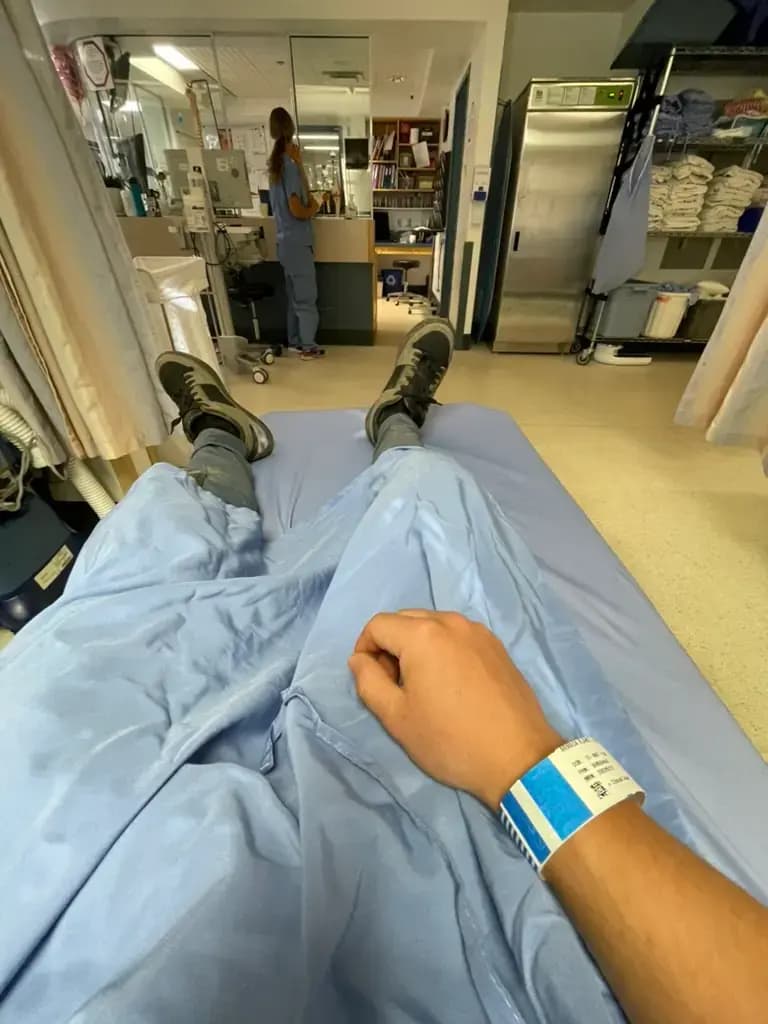
What to ask in writing before travelling
Do it by email and keep the reply. A phone call or a chat message is usually of no use if there are disagreements later. These are the key questions for the insurer, the federation or the resort's insurance:
- Is downhill riding with lifts at a bike park, outside competition, covered? The answer should explicitly name "downhill" or "bike park".
- Which trails or levels does it cover? Some policies make no distinction; others limit by risk level.
- Does it cover medical assistance in the destination country? Ask about the specific country, not "abroad".
- Does it include mountain rescue and medical transfer? With what limit and who organises it.
- Do I have to call an assistance number before going to hospital? Write down the number and the procedure.
- Does it cover equipment? Bike, helmet, protections: only if it matters to you.
- Is there an excess, a deadline to report the accident or mandatory documents? Injury report, medical report, invoices.
What to carry on the day you ride
Your cover is no use if you cannot prove it. Always carry:
- Your Bike Pass and, if you bought it, the proof of the resort's insurance.
- The policy number and the assistance phone number of your travel insurance or licence, on your phone and on paper.
- Your ID and your health card, or the equivalent from your country.
- An emergency contact saved on your phone in an accessible way.
Prevention counts too. Ride with a full-face helmet and protective gear, at a level you control and with a checked bike. The full kit is detailed in the bike park equipment checklist.
To see which bike parks you can travel to and compare destinations, use the bike park map or the accommodation and Bike Pass offers.
Frequently asked questions
Does the bike park Bike Pass include insurance?
At Vallnord Pal Arinsal, no: the Bike Pass does not include insurance, and insurance is bought separately when buying the pass or at the ticket office. Check each resort's policy before buying.
Can I buy insurance after I start using the pass?
On Pal Arinsal season passes, once the pass has been used, insurance can no longer be added or cancelled. Decide before the first run.
Does my bike insurance cover downhill?
Do not assume so. Mapfre, for example, states that its bike insurance does not cover downhill. Ask your insurer in writing whether it covers riding at a bike park with lifts.
Does a federation licence cover me at a bike park?
It includes sports accident insurance that covers races and training linked to the federation. Whether a free day at a bike park counts as training depends on your federation and your policy: ask in writing.
Do I need travel insurance if I go to Andorra?
It is advisable to have one that covers medical assistance and downhill riding. Andorra is not in the European Union, so check what your health card covers and what your insurance covers there before leaving.
What do I do if I crash at a bike park?
Alert the bike park patrol, which gives first aid in coordination with the resort's medical teams, and call 112 in an emergency. Then contact your insurer according to its procedure and keep reports and medical records.