Guides
The Truth About Taking an E-Bike on a Plane
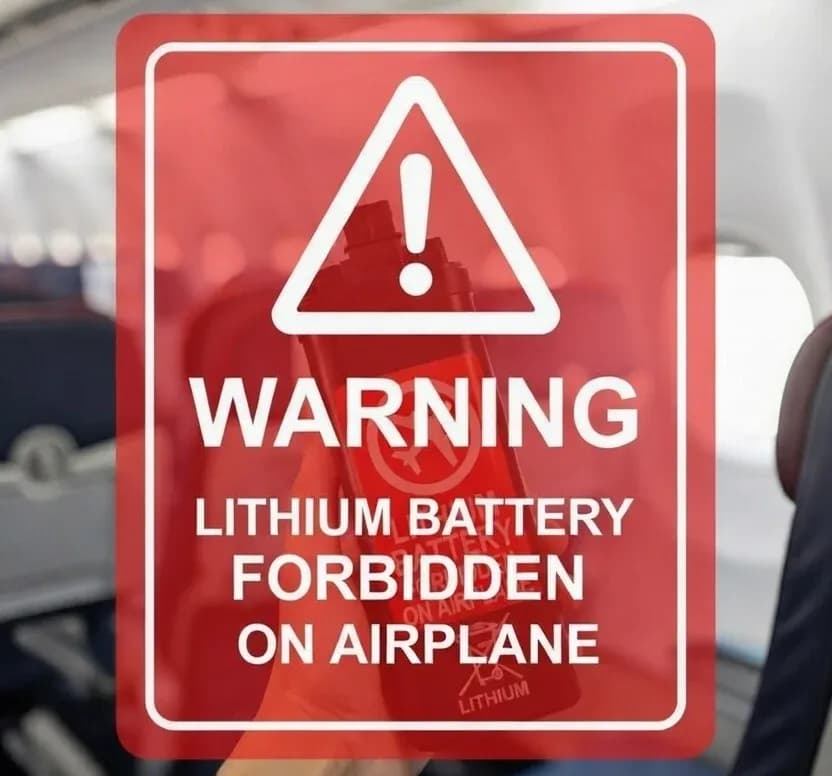
Quick answer: in practice, no. Under IATA guidelines, lithium-ion batteries over 160 Wh are banned on passenger aircraft, and e-bike batteries usually range from 400 Wh to 700 Wh or more. Airlines such as Air Canada do not accept e-bikes or their batteries in passenger luggage, and shipping the battery means complying with dangerous-goods rules, so renting an e-bike at your destination is the easiest option.
Planning epic eBike Holidays in Canada or Asia? British Columbia's Sea to Sky region, with its world-class trails, is a dream for mountain bikers. But if you ride an ebike to tackle those steep climbs and extend your rides, you might wonder: Can you travel with an ebike on a plane? The short answer is tricky, especially when it comes to the ebike battery. In this guide, we'll break down the regulations for traveling with an ebike, alternatives like shipping or renting, and tips to make your MTB in Canada trip worth it.
Understanding Ebike Battery Regulations for Air Travel
E-Bike batteries are lithium-ion powerhouses, typically ranging from 400Wh to 700Wh or more, which puts them in a restricted category for air travel. According to International Air Transport Association (IATA) guidelines, lithium-ion batteries over 160Wh are banned on passenger aircraft due to fire risks. Batteries under 100Wh are generally allowed in carry-on luggage, while those between 100Wh and 160Wh may require airline approval. Unfortunately, standard ebike batteries far exceed this limit, making them ineligible for flights.
| Battery capacity | On a passenger plane (IATA) |
|---|---|
| Under 100 Wh | Generally allowed in carry-on luggage |
| 100 to 160 Wh | May require airline approval |
| Over 160 Wh (e-bike batteries: 400 to 700 Wh or more) | Banned |
Can you check in the frame and carry the battery?
If your ebike has a removable battery, you might think about checking the frame and carrying the battery, but that's not an option. Batteries must be in carry-on if permitted, but large ones aren't allowed at all. Some airlines, like Air Canada, outright prohibit small lithium battery powered vehicles, including ebikes, in both checked and carry-on baggage. This means even the frame might not fly if it's classified as an ebike. Always check specific airline policies before booking, as rules can vary. British Airways bans ebikes entirely, while others might accept the frame without battery.
For travelers heading to Canada, Air Canada's policy is clear: no ebikes or their batteries in passenger luggage. If you're flying from the US or Europe, similar restrictions apply via FAA or other regulators. The bottom line? You cannot travel with an ebike battery on a plane unless it's under the watt-hour limit, which most aren't.
Shipping Your Ebike Battery: Is It a Viable Option?
If flying with your ebike battery isn't possible, shipping might seem like a workaround. However, ebike batteries are classified as hazardous materials (Class 9) under DOT and IATA regulations, requiring special packaging, labeling, and certification. As an individual, you typically need hazmat training or a professional account with couriers like UPS or FedEx to ship them legally. Ground shipping is often the only option, and costs can soar due to compliance: think $100+ for domestic, more for international.
For MTB in Canada, shipping from abroad adds complexity with customs and potential delays. Batteries must be at about 30-50% charge for safety, properly insulated, and declared as dangerous goods. If your ebike has an integrated battery, the whole bike might need to ship as a battery-powered vehicle under UN 3171 rules. Unless you're a business or hire a specialist, shipping isn't practical for most riders. Penalties for non-compliance? Fines up to $10,000 or more. Crazy.

Renting an Ebike: The Best Way to Enjoy MTB Holidays
The good news? Renting an ebike or battery at your destination is the easiest, most hassle-free option to enjoy ebike holidays. In British Columbia's Sea to Sky corridor, ebike rentals are abundant, especially for MTB enthusiasts. Shops like evo Rentals in Whistler offer electric mountain bikes starting at $124/day online, perfect for exploring Valley Trail or linking to Squamish enduro spots. In Squamish, places like RideHub provide full-suspension ebikes for technical trails, while North Vancouver has options for shore-style riding.
On the trips we sell, you can also ride without bringing your own e-bike: at Grandvalira E-Bike Park (Andorra) you can add a full-suspension e-MTB rental to your hotel + pass booking, the Sierra de Guara e-bike weekend includes a high-end e-bike, and our Nepal trips offer optional bike and e-bike rental.
Tips for E-Bike Travel and MTB Adventures in Canada
- Research Ahead: Confirm airline and destination rules for ebikes. For Canada, check CATSA guidelines alongside your carrier.
- Pack Smart: If shipping the frame, use a bike box and remove pedals and handlebars for compactness. Bring tools for reassembly.
- Battery Alternatives: Look for low-wattage spare batteries under 160Wh for accessories, but leave the main ebike battery at home.
- Trail Etiquette: On BC trails, ebikes are welcome on many paths but check for restrictions in sensitive areas like BC Parks.
Traveling with an ebike to enjoy ebike holidays in Canada doesn't have to be complicated. Make the most out of your ebike holidays by skipping the battery hassle and renting: you'll hit the trails faster and fresher. From Whistler Bike Park downhills to Pemberton backcountry, Canada's ebike scene is growing.
Frequently asked questions
Can I take my e-bike battery on a plane?
Almost never. Under IATA guidelines, lithium-ion batteries over 160 Wh are banned on passenger aircraft, and e-bike batteries usually range from 400 Wh to 700 Wh or more. Only batteries under 100 Wh are generally allowed in carry-on luggage, and those between 100 and 160 Wh may need airline approval.
Can I check in my e-bike without the battery?
It depends on the airline. Air Canada prohibits small lithium battery powered vehicles, including e-bikes, in both checked and carry-on baggage, and British Airways bans e-bikes entirely, while other airlines might accept the frame without the battery. Always check your airline's policy before booking.
Can I ship my e-bike battery to Canada?
It is possible but rarely practical. E-bike batteries are Class 9 hazardous materials under DOT and IATA rules: they need special packaging, labeling and certification, a charge of about 30-50%, and usually hazmat training or a professional courier account. Non-compliance can mean fines of up to $10,000 or more.
Where can I rent an e-bike in Whistler or Squamish?
In Whistler, evo Rentals offers electric mountain bikes starting at $124 per day online. In Squamish, places like RideHub provide full-suspension e-bikes for technical trails, and North Vancouver also has rental options.
Is renting better than bringing my own e-bike on holiday?
For most riders, yes. Renting an e-bike or a battery at your destination avoids airline bans and dangerous-goods shipping rules, so you hit the trails faster and fresher.
Find Your Next E-Bike Holiday
Explore bike parks around the world on our bike park map. If you'd like to ride the Sea to Sky in Canada with us, write to us.